Laplace’s Mini World Worlds You Can Hold
210 plates in nine halls, across three layers: nature, ideas and technology. Each page is a model you can turn and take apart.
New here? Start withWhy Summer Is WarmWhy the Moon Changes ShapeWhy a Rainbow Is Round
Laplace’s Mini World is a set of science plates for readers of every age, in English and Chinese.
-
01
Read
Each plate is a short essay in chapters about one question.
-
02
Watch
Beside the essay is a 3D model. It moves to whatever each chapter describes, and you can turn it and take it apart yourself.
-
03
Try
Each plate ends in a laboratory: change a number and the model follows.
-
04
Check
Each plate lists its sources and says what it simplified and which wrong idea to avoid.
Three layers, nine halls 210 plates
Nature
Space, the Earth, matter and life.
Every plate in this layer →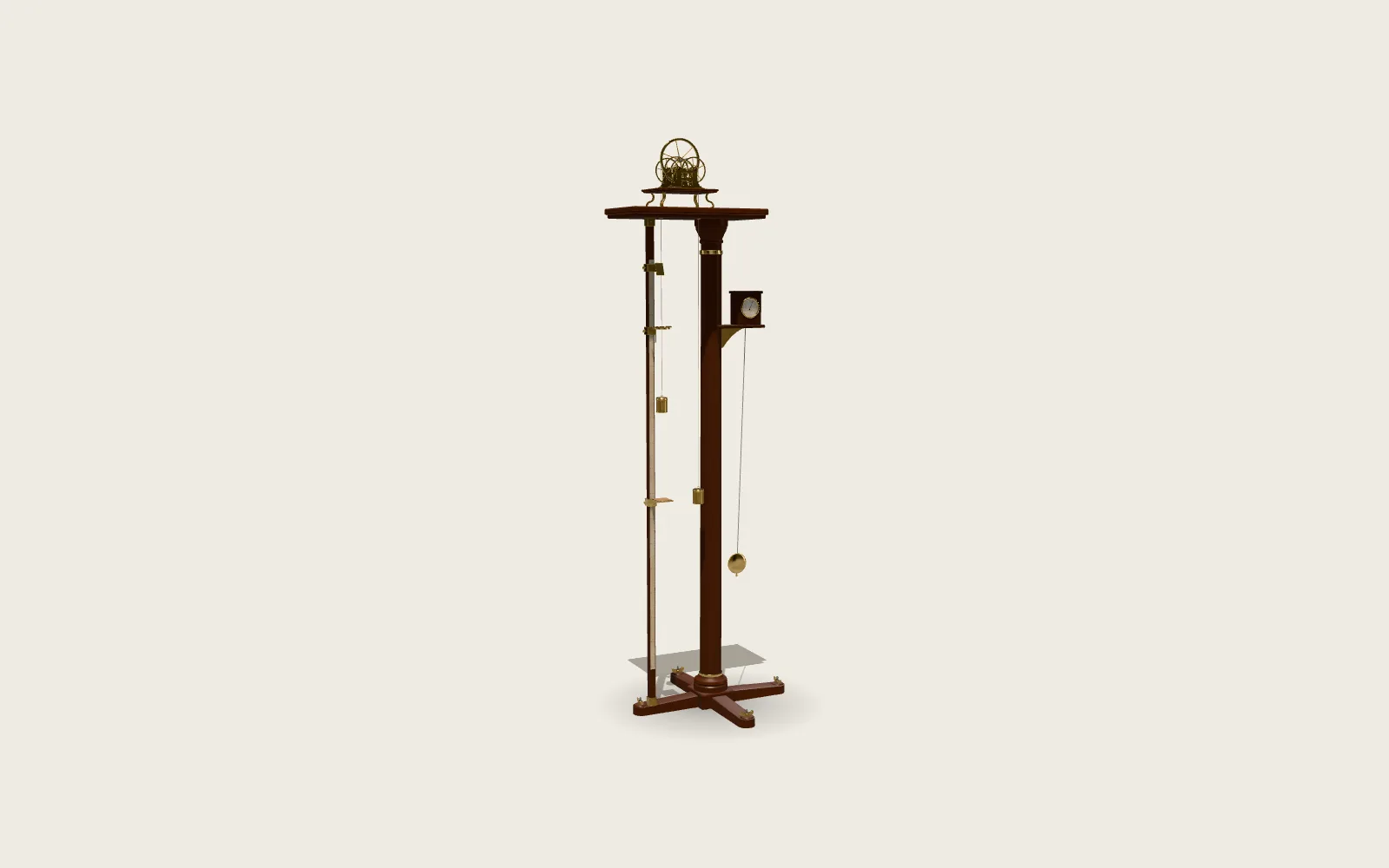
Ideas
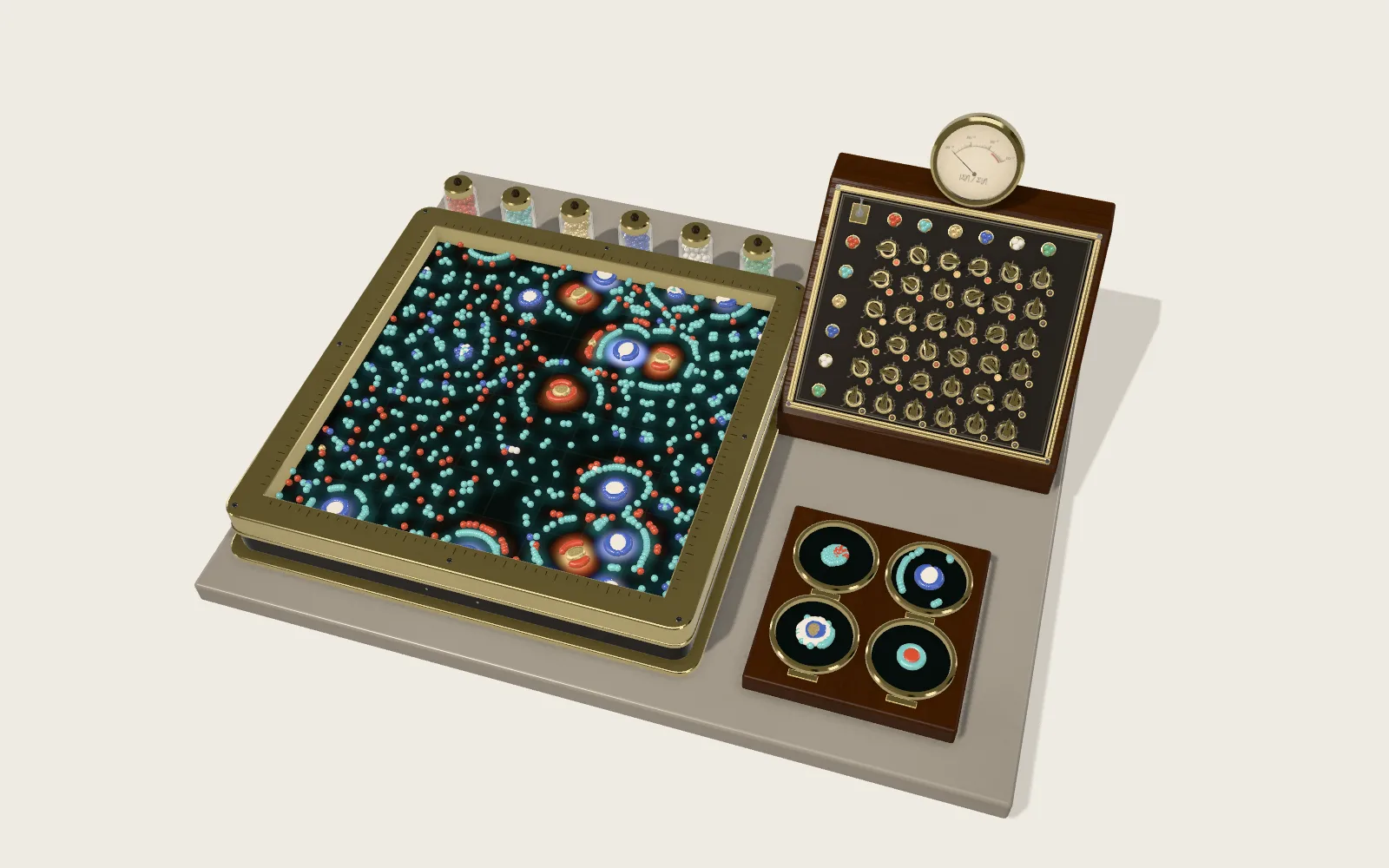
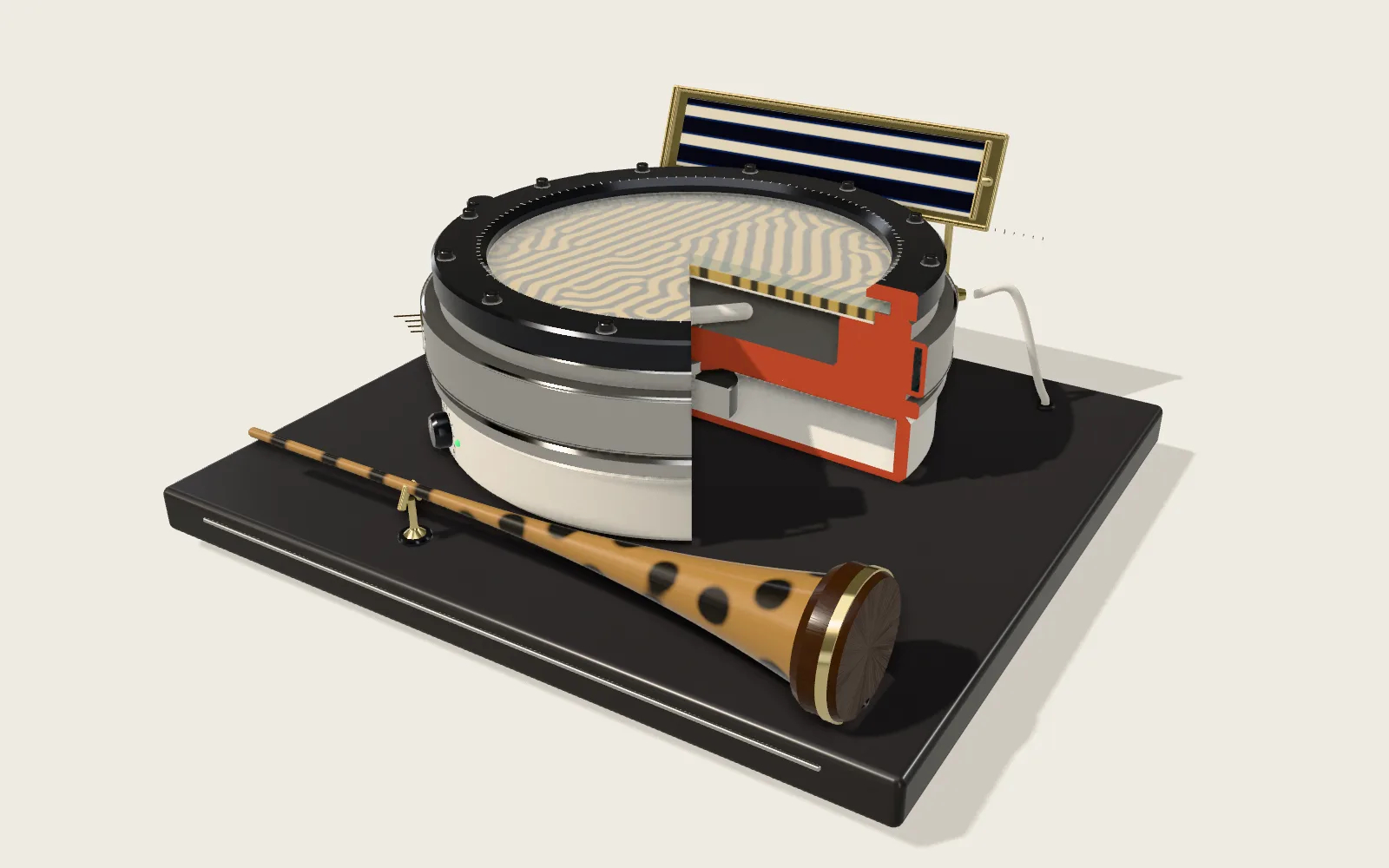
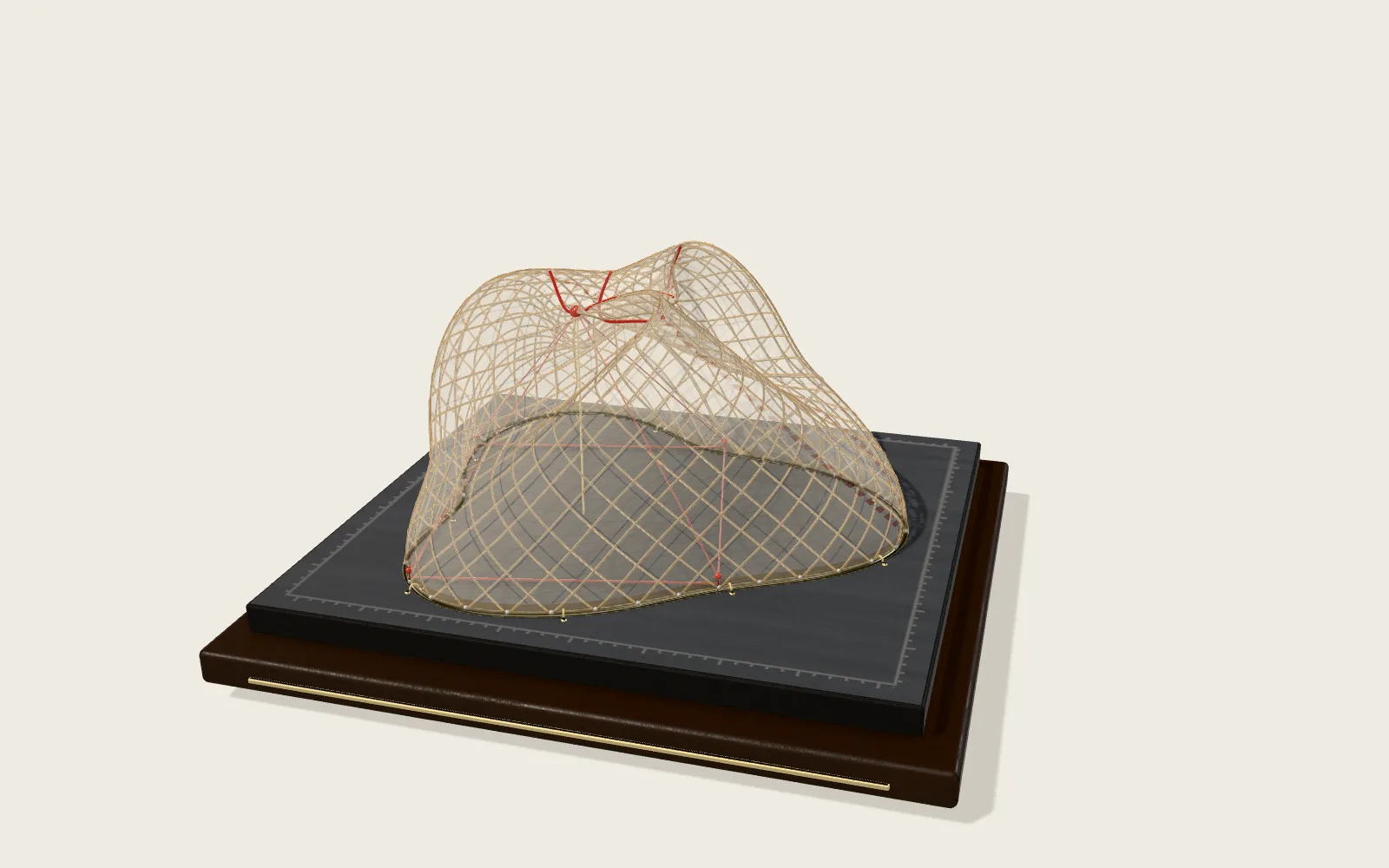
Rules people thought up, and the shapes they grow.
Technology
Machines people made, from the steam engine to AI.
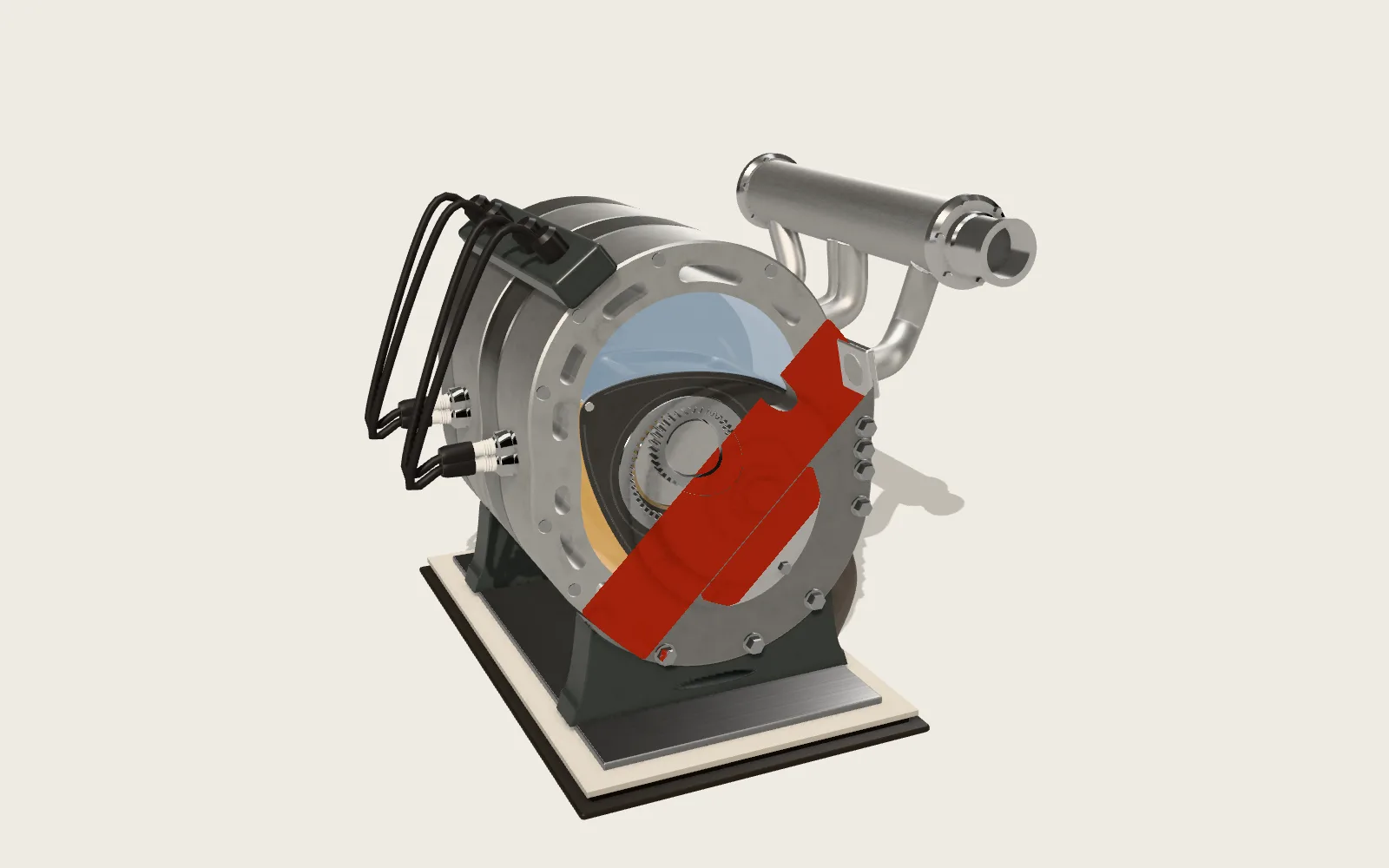
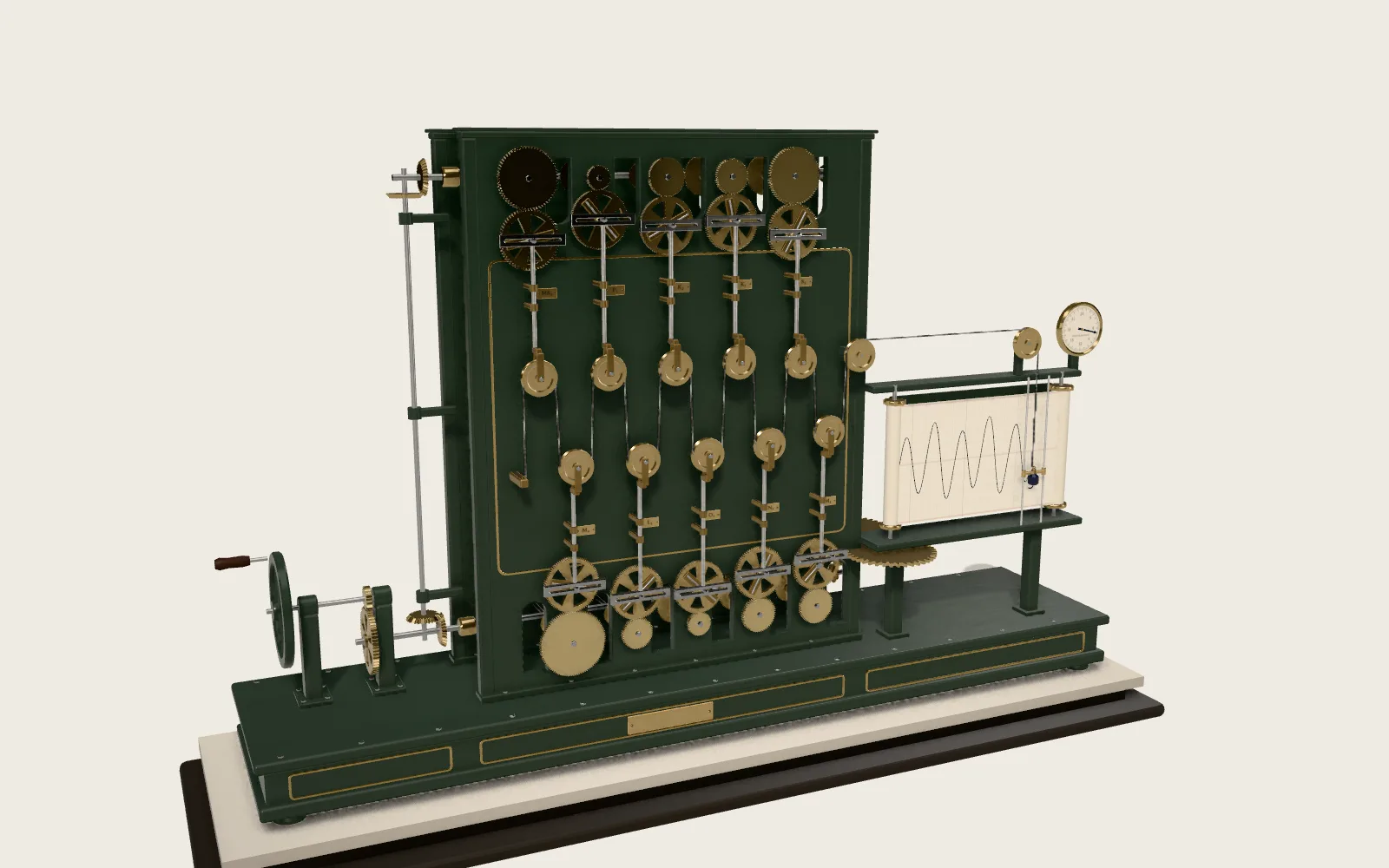
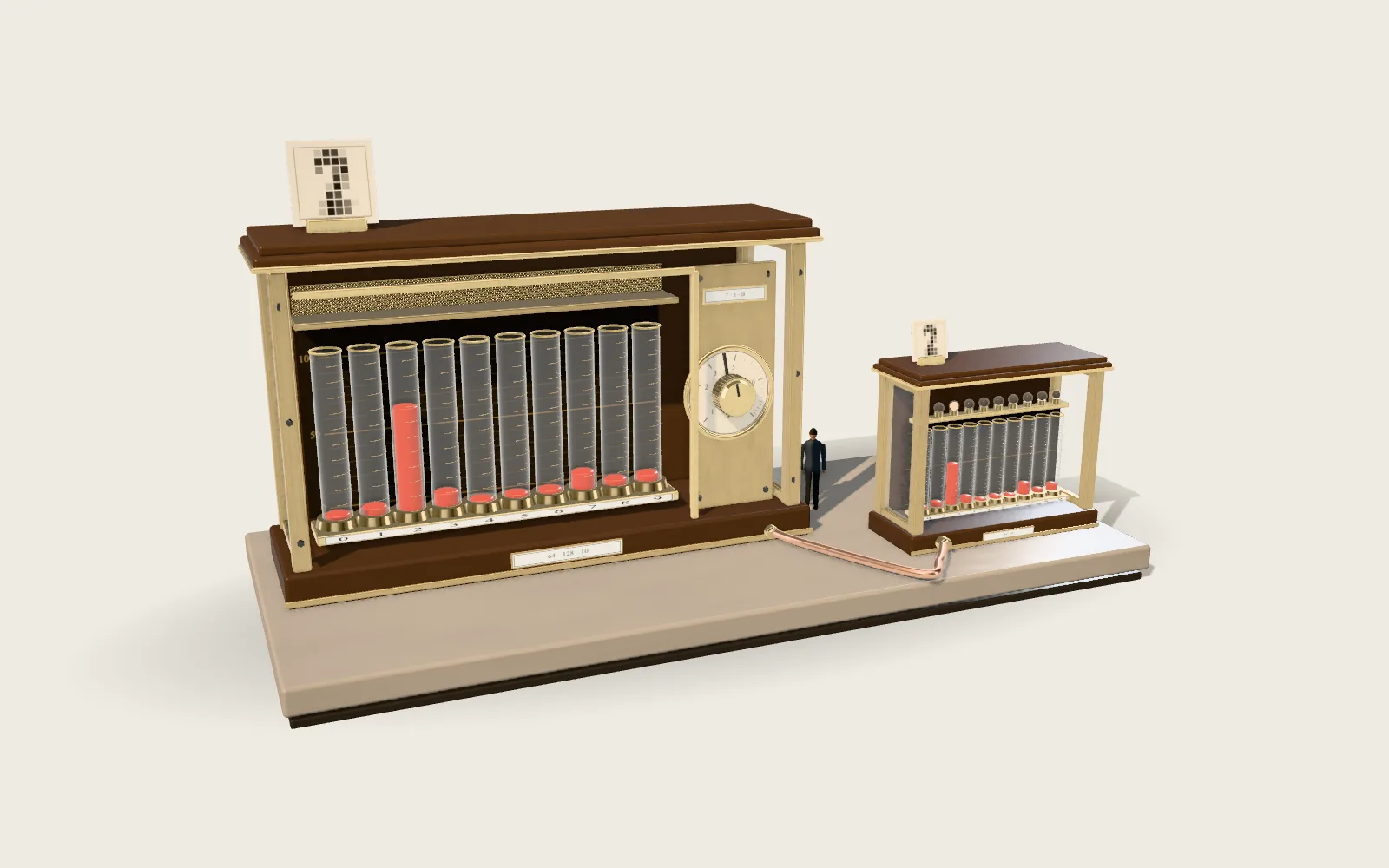
Every plate in this layer →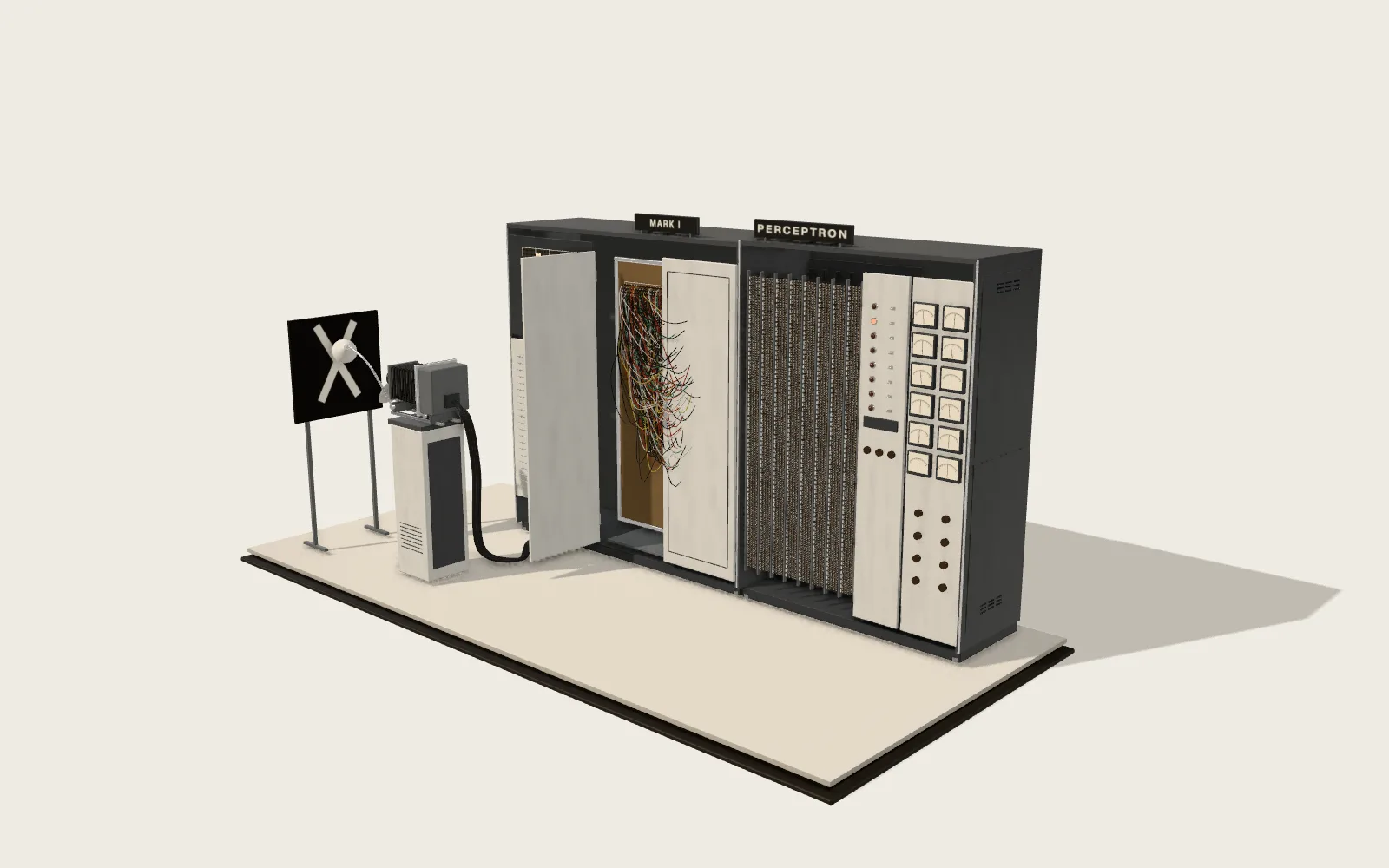
Places
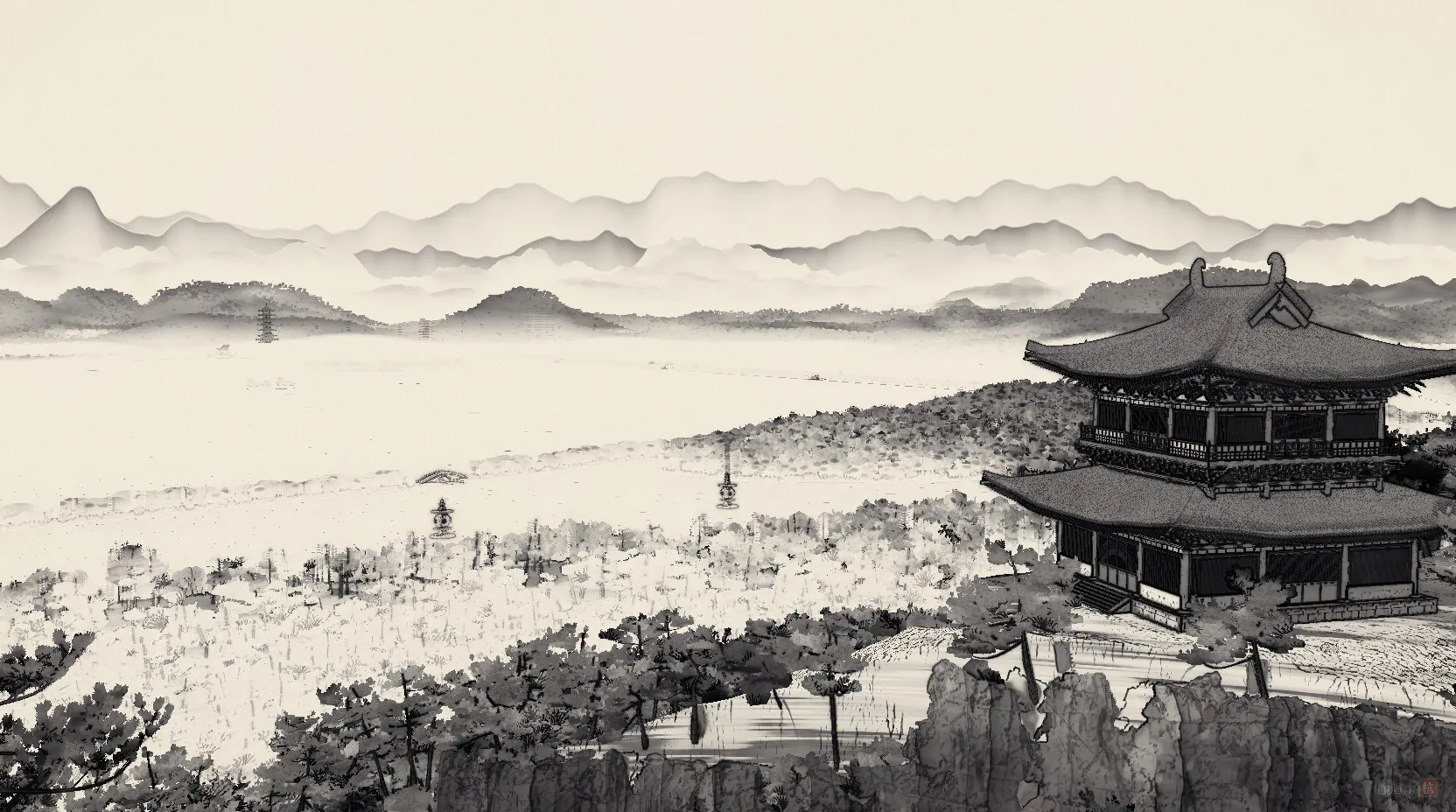
Old cities and landscapes you can walk into, rebuilt in code by the rules they were built by.
-
Capital of the Southern Song · today’s Hangzhou
Lin’an
A lake of mist and a city of halls, raised again beam by beam from a building code nine centuries old.
Latest 5
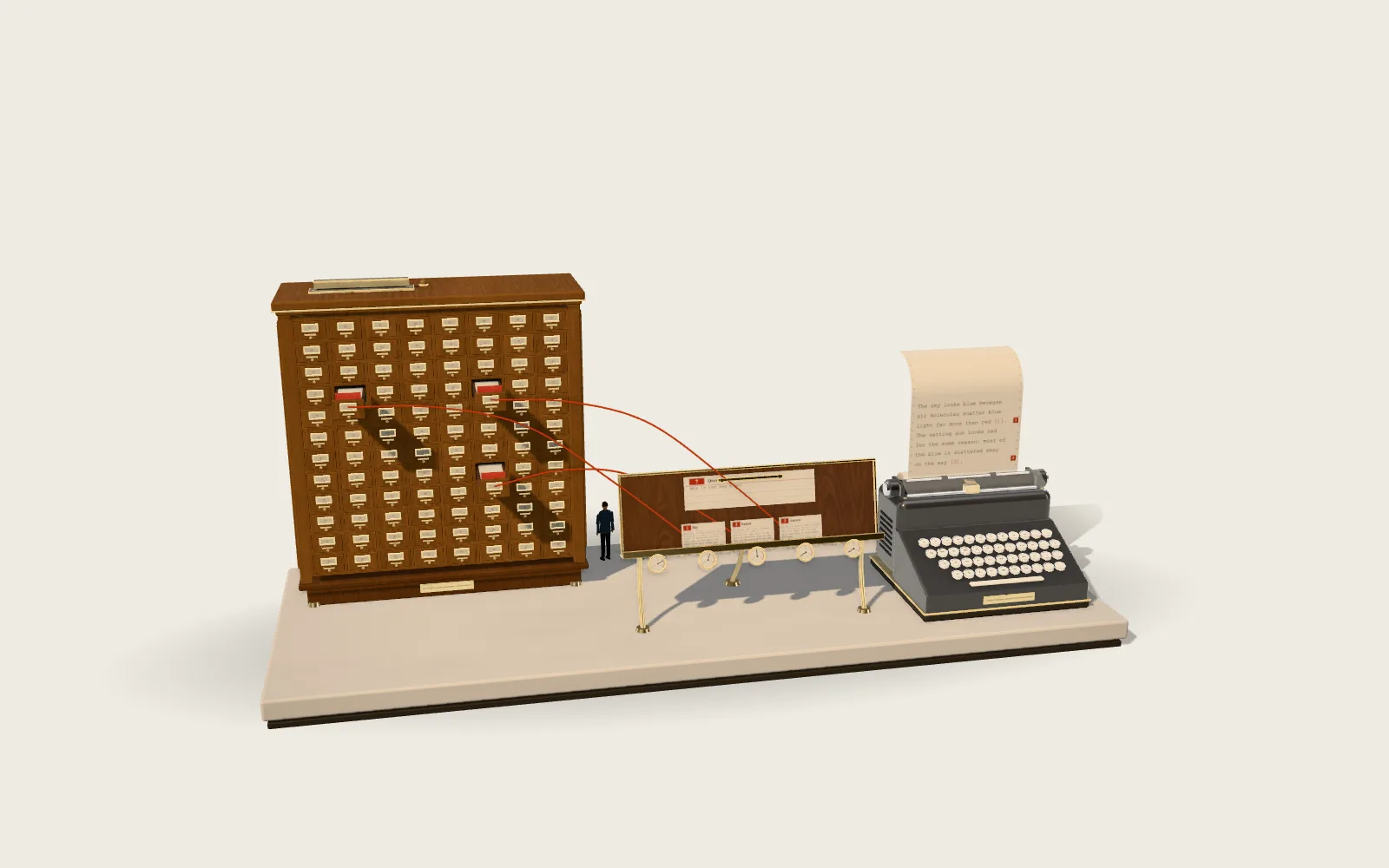
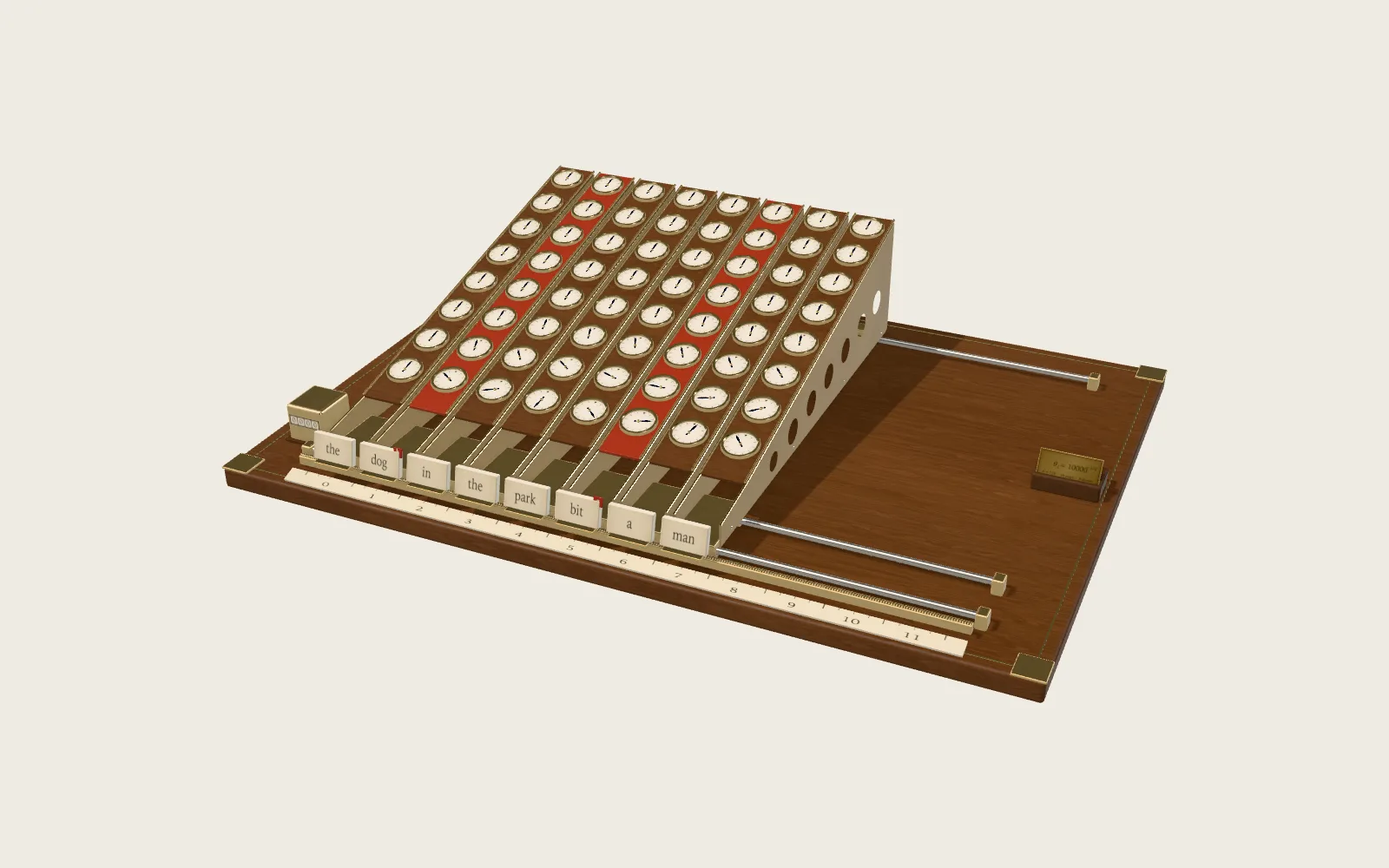
- Plate F78 Retrieval-Augmented Generation AIGoing further What a language model knows sits in its parameters, stopped on the day its training ended; it cannot say where it read a thing, and it can state wrong things fluently. Retrieval-augmented generation has it look things up first: the question becomes a list of numbers, a vector; the passages nearest to it are found in an index of tens of millions of passage vectors, and they go to the model with the question, which answers from them. A 2020 paper named it; its index was 21 million passages of Wikipedia. The passages found can be the wrong ones, and the right ones can go unused: with the answer in the middle of 20 documents, GPT-3.5-Turbo got 53.8% right, less than with no documents at all. Open →
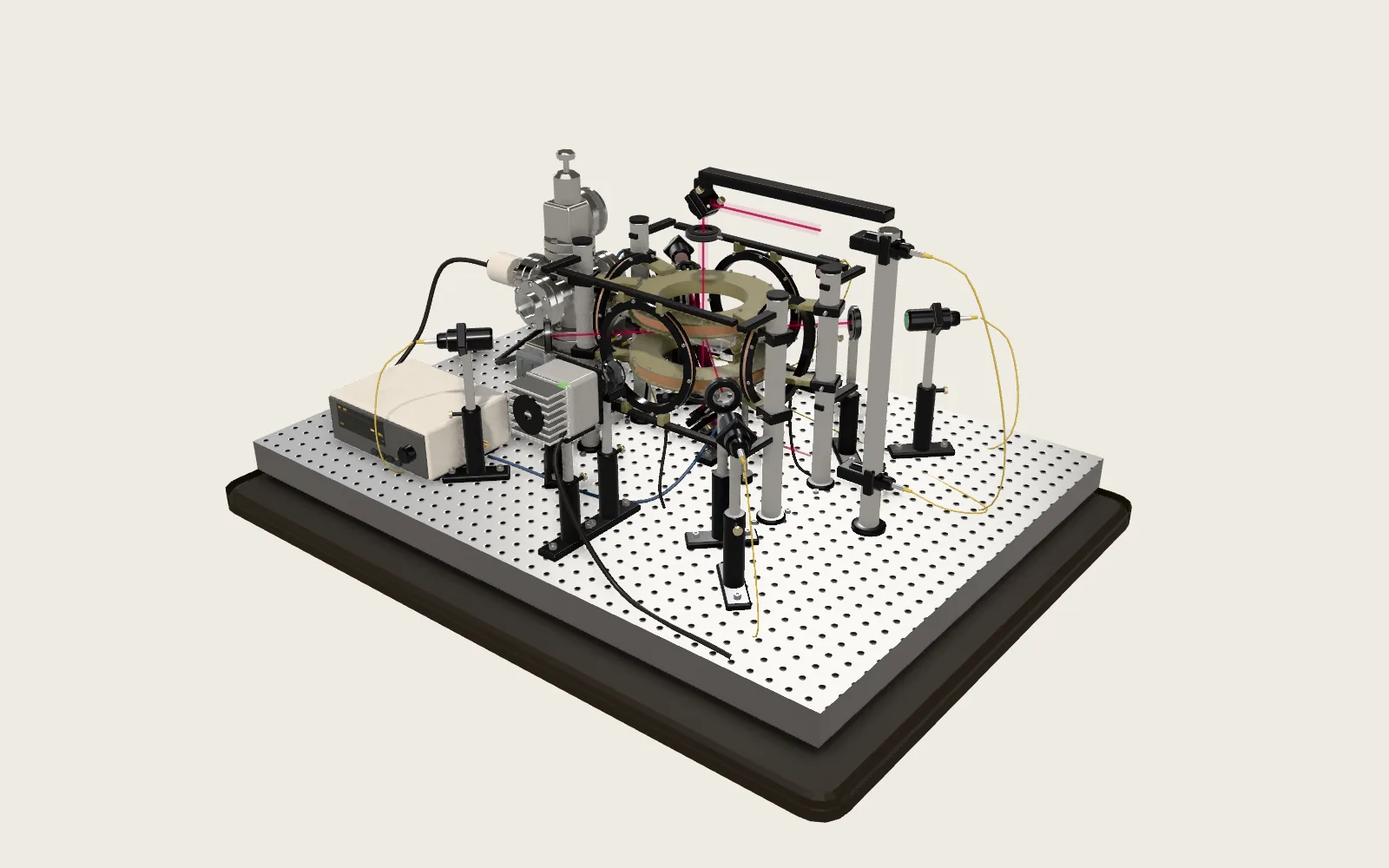
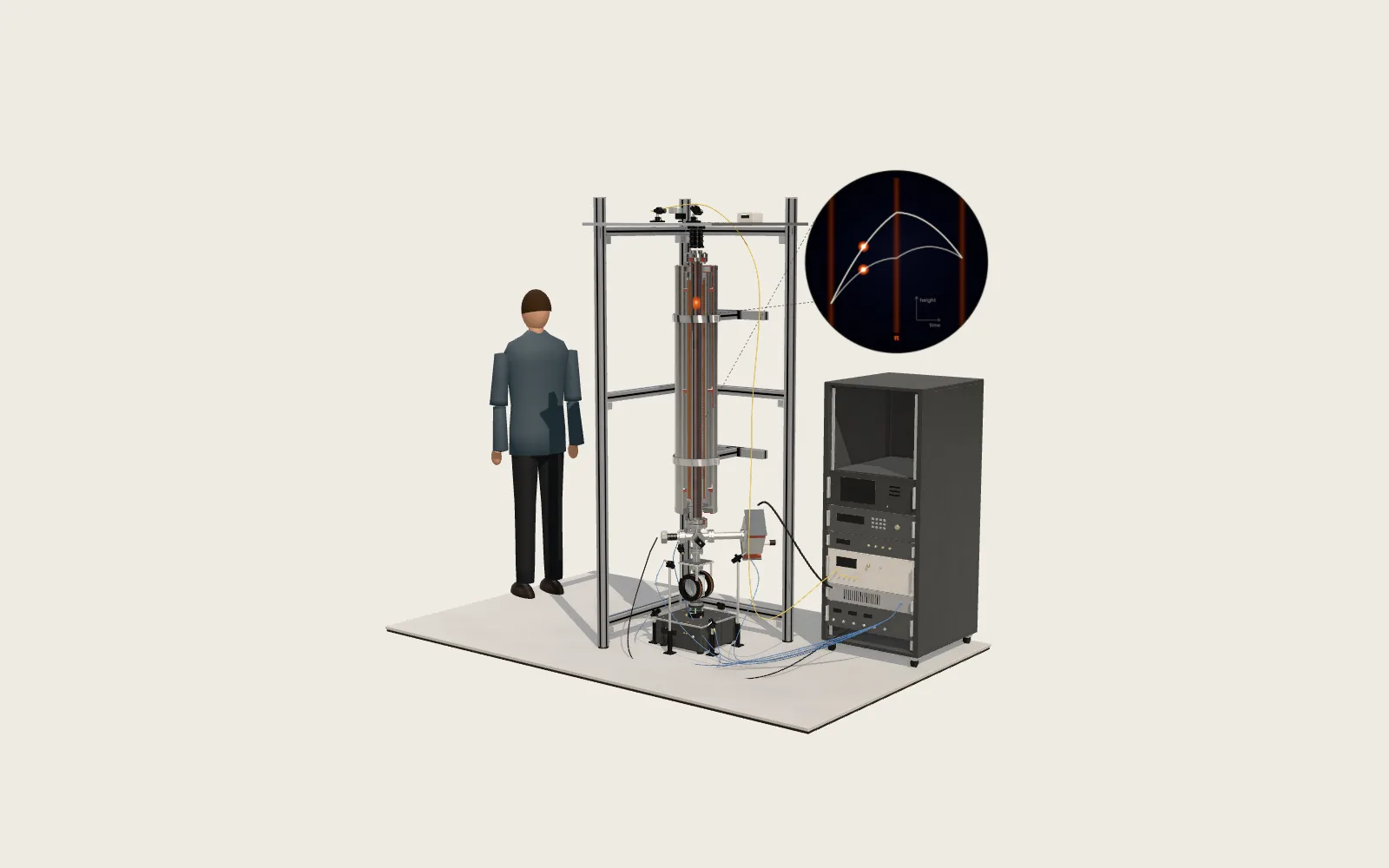
- Plate F77 Atom-Interferometer Gravimeters SensingGoing further An atom-interferometer gravimeter measures the acceleration of gravity, g, with cold atoms in free fall. Laser-cooled atoms are launched into a vacuum tube; three laser pulses (π/2, π, π/2) put each atom on two paths at once and then bring the paths together. The atoms are falling, so the phase between the two paths, Δφ = k_eff g T², records g. In 1999 Stanford’s caesium fountain measured g to 3 × 10⁻⁹ g in a minute, and agreed with the best falling-corner-cube gravimeter within 7 ± 7 parts in 10⁹. Today the same principle runs in commercial gravimeters carried up volcanoes; Stanford’s 10 m fountain has tested the equivalence principle at the 10⁻¹² level; the 100 m MAGIS-100 is still being built. Open →
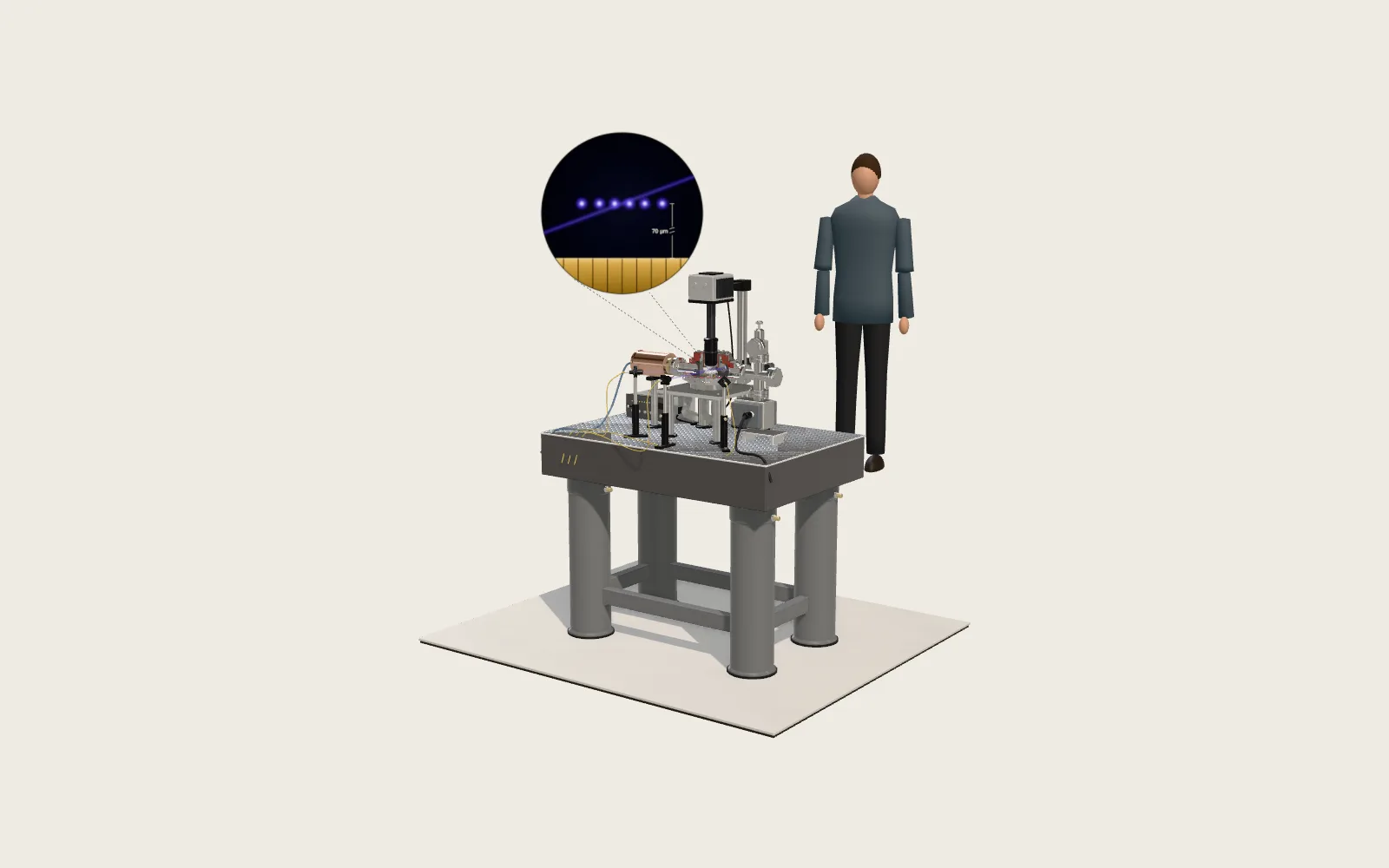
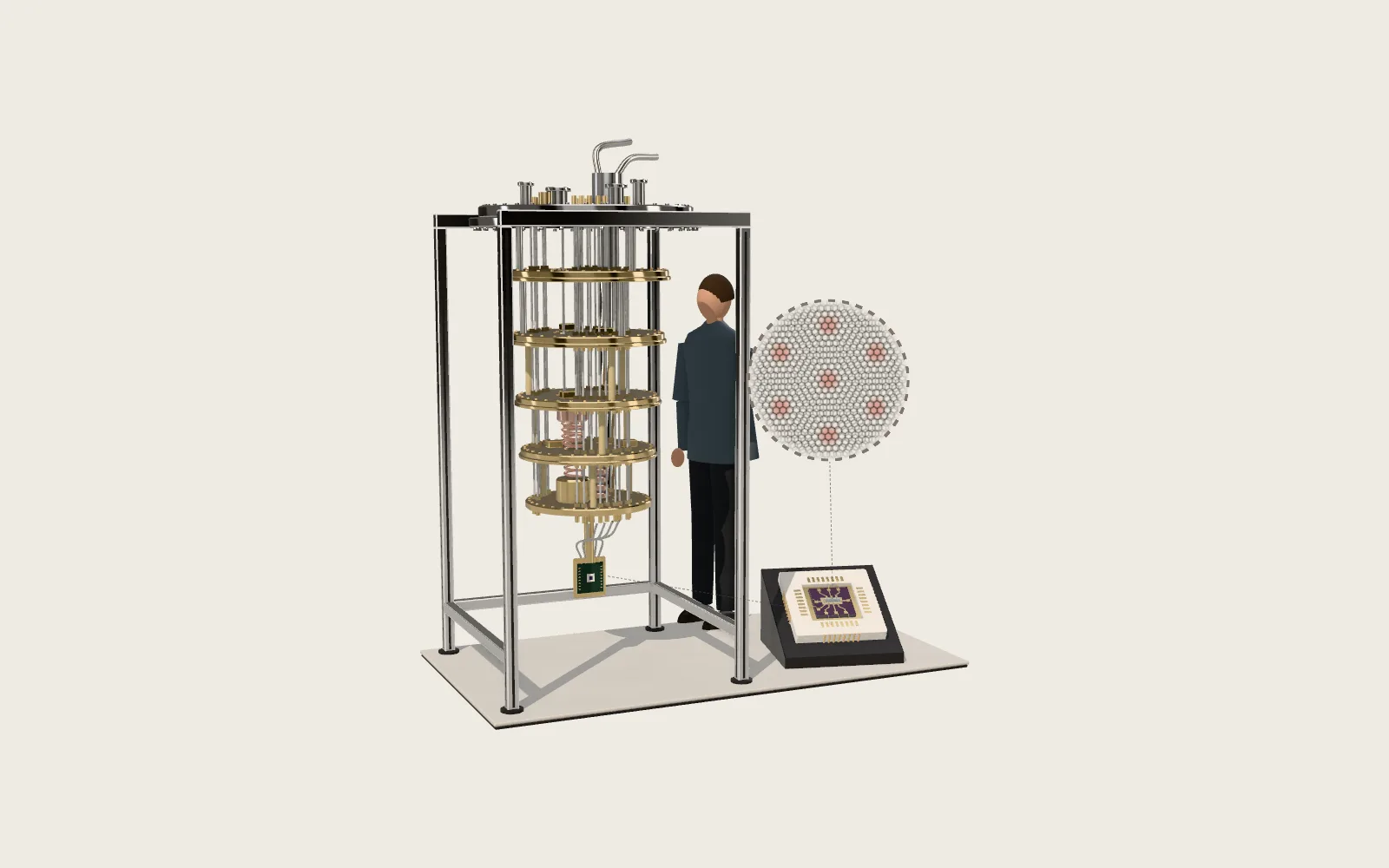
- Plate F76 Trapped-Ion Quantum Computers QuantumGoing further A trapped-ion quantum computer holds single charged atoms in a vacuum, tens of micrometres above a chip, each ion one qubit. No field that stands still can hold a charge, so the chip’s electrodes carry an RF voltage that flips tens of millions of times a second; lasers cool the ions and, to read them out, light them up: bright is 1, dark is 0. A line of ions shares its motion, and through it any two ions can be linked by a gate. In 2025 Quantinuum’s 98-qubit Helios reported an average two-qubit gate error of 7.9 × 10⁻⁴. Ion gates are tens to a thousand times slower than superconducting ones, but they go wrong less often, and every qubit can reach every other. Open →
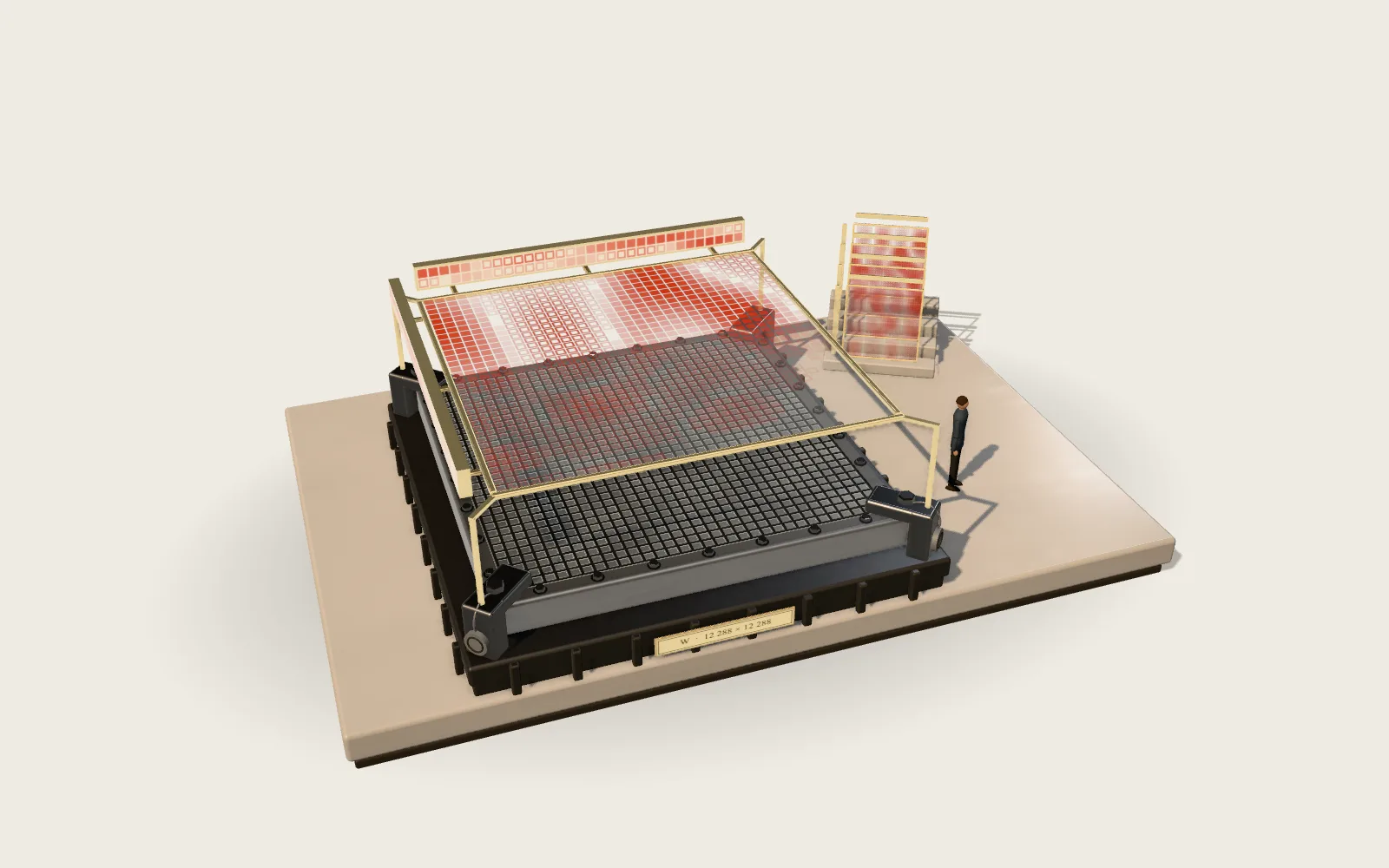
- Plate F75 Knowledge Distillation AIGoing further Shown a handwritten 2, a large trained model gives more than “2”: it gives a probability for each of the ten digits. A little for 3, a little for 7, almost nothing for 4. Which wrong answers are close is written in those small numbers. In 2015 Hinton, Vinyals and Dean trained a small model to match the large one’s whole spread, softened by a temperature T in the softmax, together with a little of the true labels. On handwritten digits a small network trained alone made 146 errors; trained to match a large one it made 74, against the large one’s 67. DistilBERT in 2019 had 40% fewer parameters and kept 97% of BERT’s score on GLUE. Many small models today are taught by large ones this way. Open →
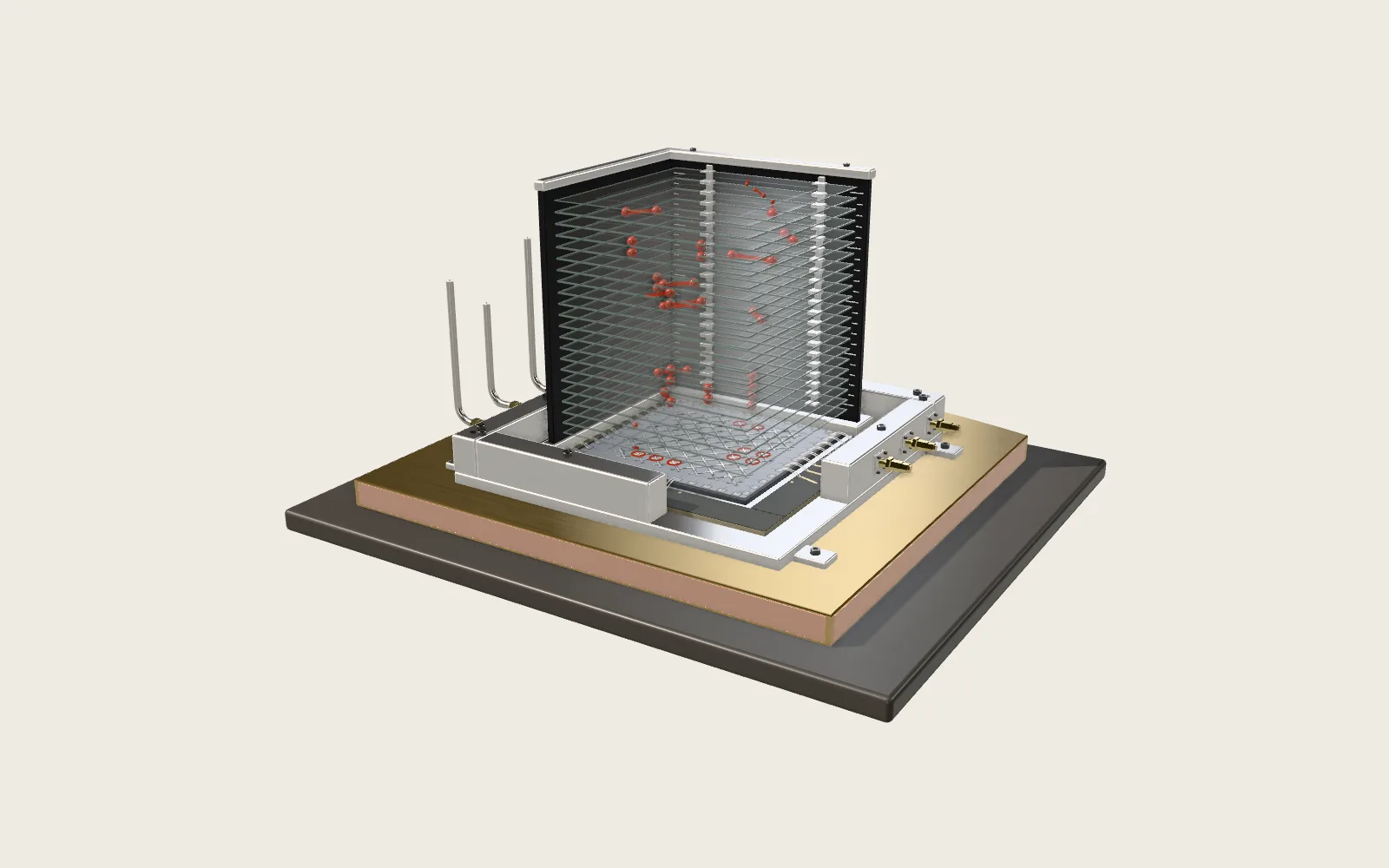
- Plate F74 Magic-Angle Graphene QuantumGoing further Stack two sheets of graphene and turn one by about 1.1°: the atoms fall in and out of step in a moiré pattern with a period of about 13 nm. In 2011 Bistritzer and MacDonald calculated that near 1.05° the electrons’ velocity drops to zero and the energy bands go flat. In 2018 Cao and colleagues in Pablo Jarillo-Herrero’s group at MIT measured such devices: tuning the number of electrons with a gate voltage, the same sample became an insulator at half filling and, with a few more electrons, a superconductor, at up to about 1.7 K (in the 1.16° device). The mechanism of the superconductivity is still not settled. Open →
All plates 210
INature
Space14
- 40Halley’s Comet Is Far Away. Its Dust Is Here.
- 03The Shadow of the Moon
- 05Why Summer Is Warm
- 10How the Moon Moves the Sea
- 12Why the Moon Changes Shape
- 18The Space Station Is Falling
- 22Why a Foucault Pendulum Turns
- 24The Solar System Today
- 27What Pushes a Rocket
- 38Where Not Even Light Escapes
- 79Projectile Motion
- 80Centripetal Force
- 81Mechanical Energy
- 82Newton’s Second Law
Earth & Sky19
- 01How Rain Carves a Mountain
- 02The Wave That Hides in Deep Water
- 04The Engine of a Hurricane
- 11Curtains in the Sky
- 14The Cracks in the Earth
- 19Where Volcanoes Come From
- 23Where a Compass Points
- 25Seeing Through the Earth With Earthquakes
- 30Why Clouds Don’t Fall
- 33See the Flash, Then Hear the Thunder
- 35The V Behind a Ship
- 49Ice Rings Around the Sun
- 50Why Rivers Wind
- 56Ocean Currents and El Niño
- 60Caves and Dripstone
- 64The Atmosphere’s Three Cells
- 70The Greenhouse Effect
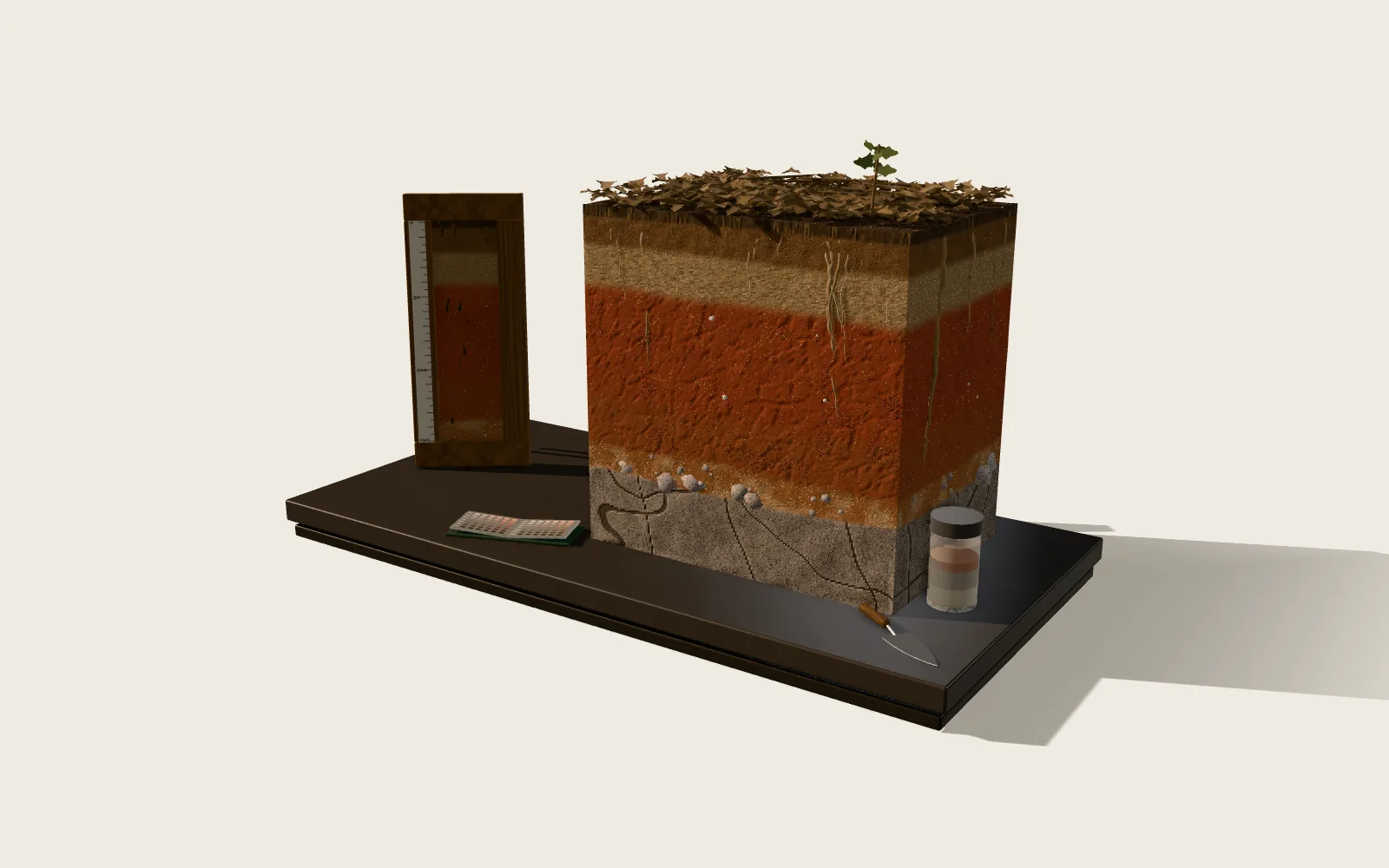
- 76The Soil Profile
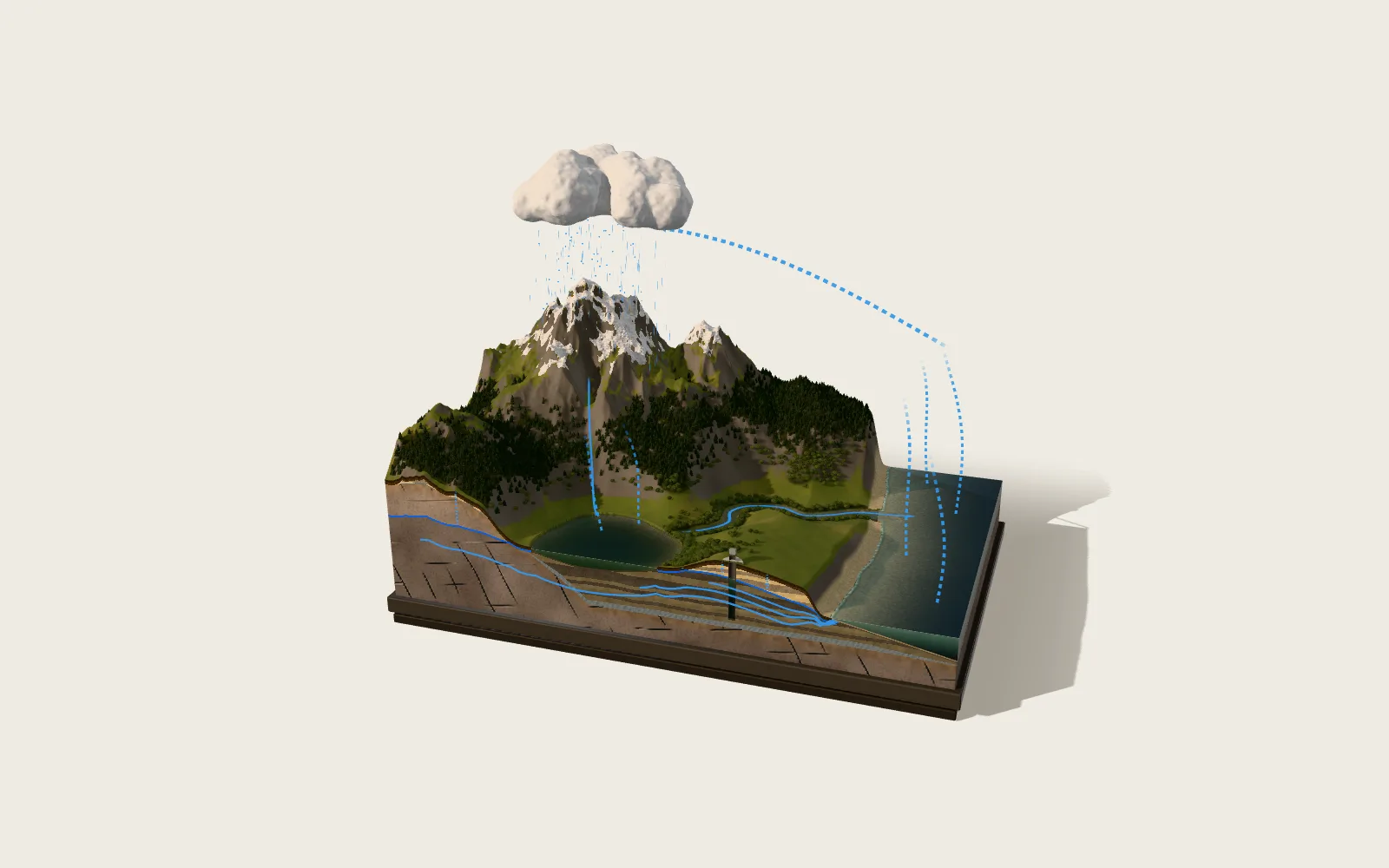
- 77The Water Cycle
Matter, Light & Sound45
- 07Why a Rainbow Is Round
- 08Why Snowflakes Have Six Points
- 13Why the Sky Is Blue
- 15How Sound Crosses the Air
- 17Why Ice Floats
- 21Three Cones, a Million Colors
- 26Why a Siren Changes Its Tune
- 28Where a Bubble’s Colours Come From
- 29A Curved Piece of Glass
- 31Why Metal Feels Cold
- 32Why Mountain Water Isn’t Hot Enough
- 34Why a Steel Ship Floats
- 36Where Is the Electron?
- 37When Two Ripples Meet
- 39The Invisible Lines Around a Magnet
- 47Sand That Draws a Sound
- 51Patterns Shaken Out of Oil
- 54Nitrogen from the Air
- 57The Blast Furnace
- 58Light That Frees Electrons
- 59Electrolysis of Brine
- 62Alpha Scattering
- 63Smelting Aluminium
- 65Self-Induction and Eddy Currents
- 66The Galvanic Cell
- 68Sulfuric Acid from Sulfur
- 71The Capacitor
- 72Soda Ash from Salt
- 73Bromine from Seawater
- 74Limestone into Cement
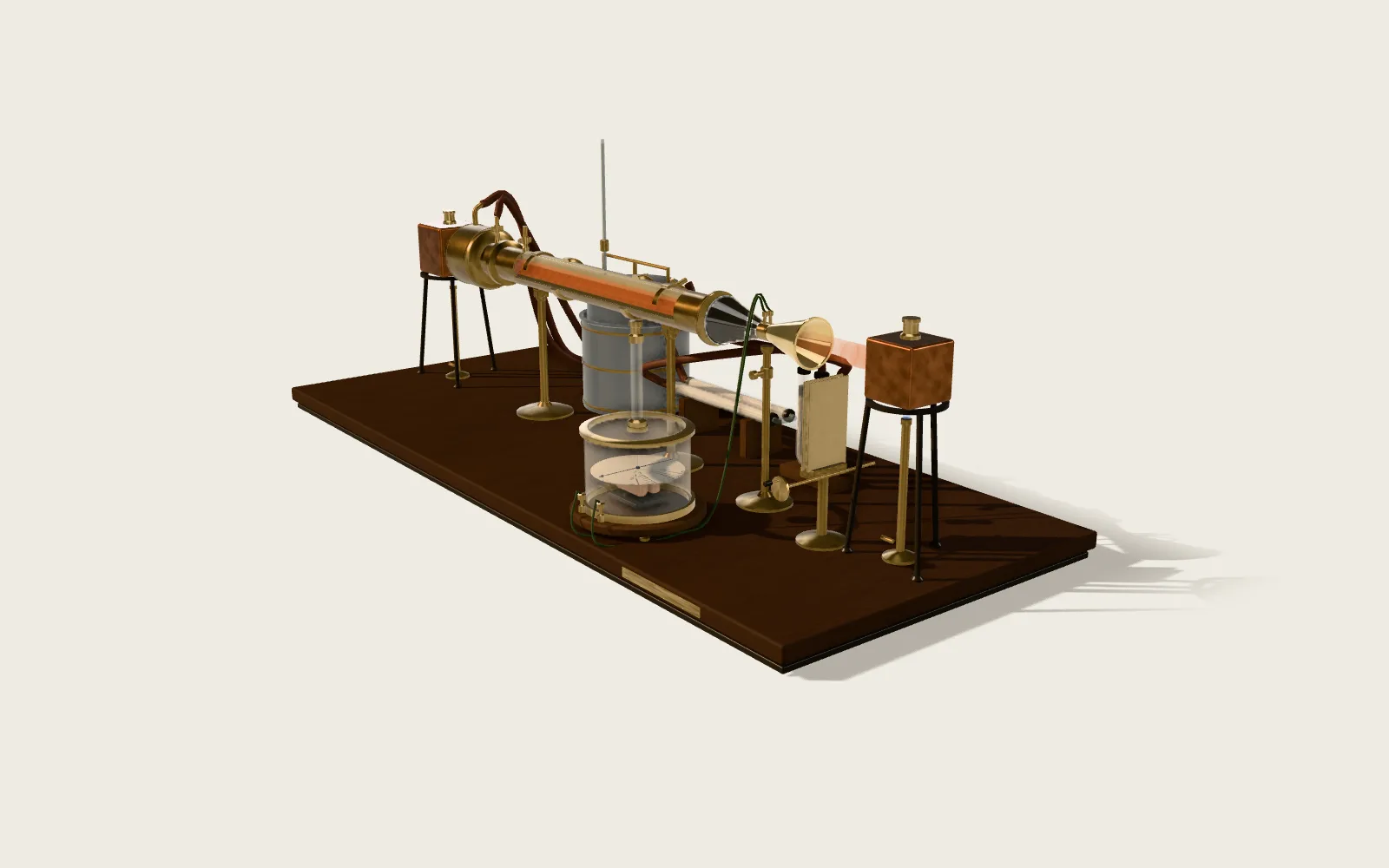
- 75Flame Tests and Spectra
- 78Brownian Motion
- 83Electromotive Force
- 84Ammonia Fountain
- 85Sodium in Water
- 86Acid–Base Titration
- 87Chlorine Gas
- 88Copper in Nitric Acid
- 89Sulfur
- 90Two Ions of Iron
- 91Which Water Conducts
- 92Pale in Ice, Dark in Heat
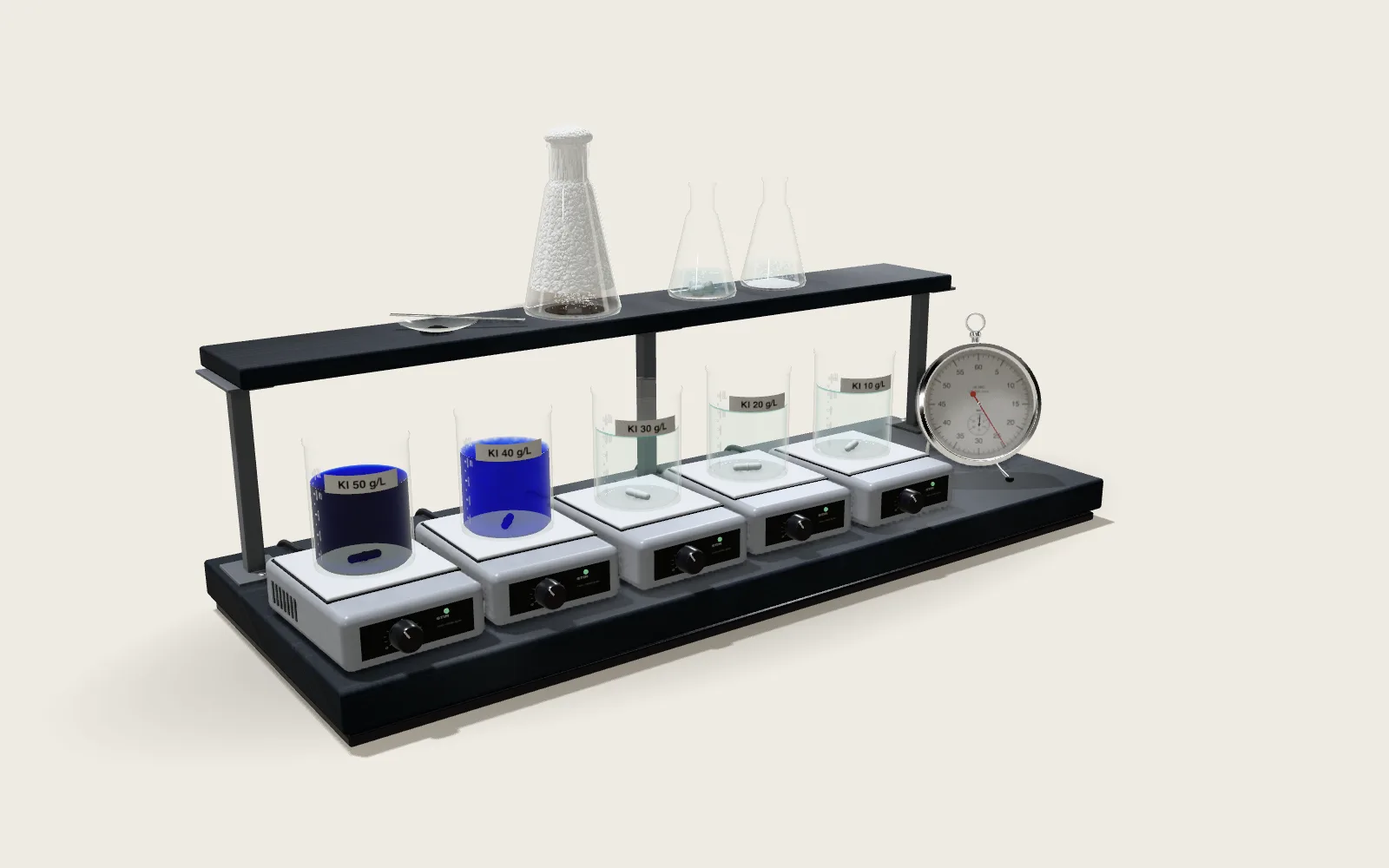
- 93How Fast a Reaction Goes
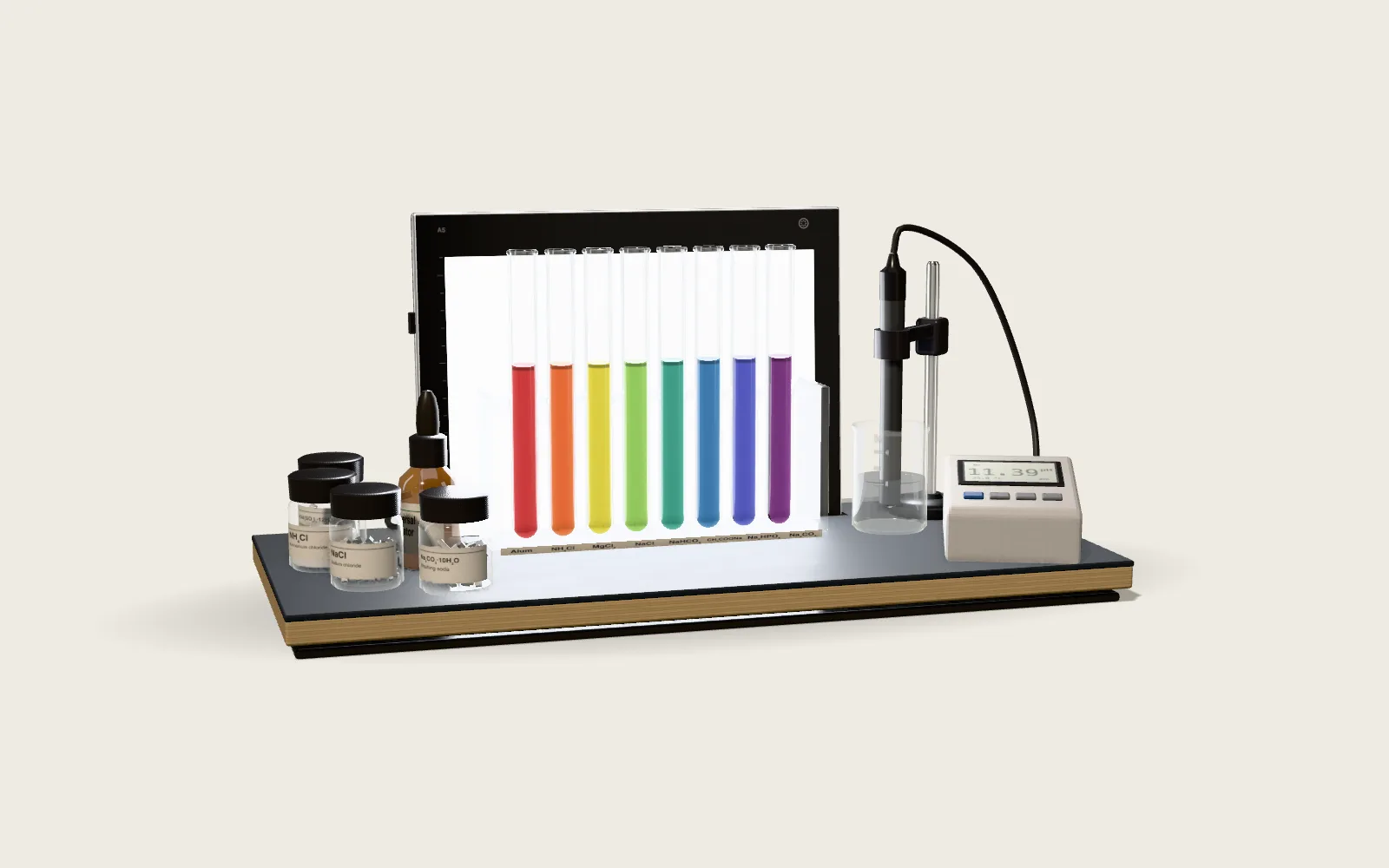
- 94Not All Salt Water Is Neutral
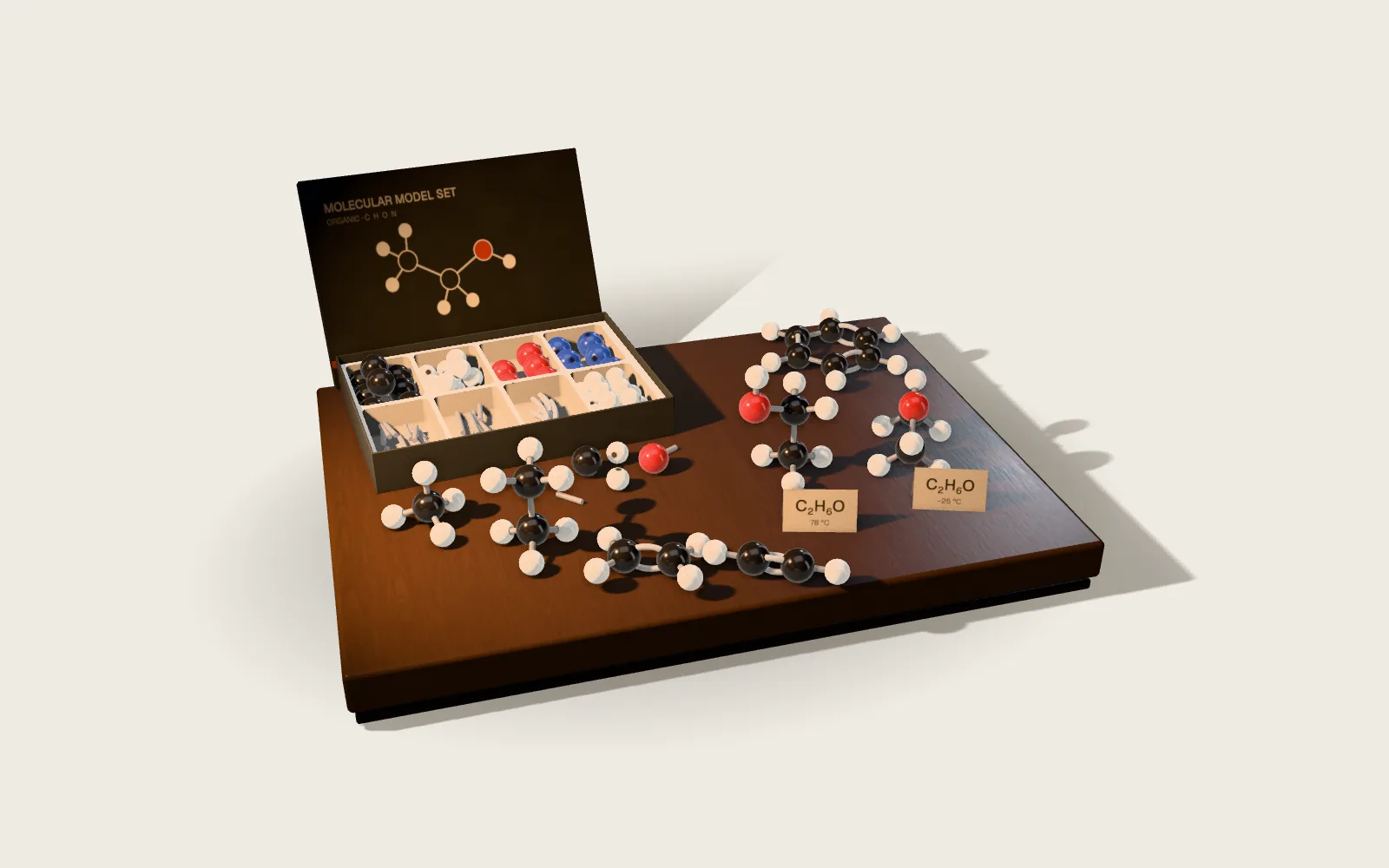
- 95The Shapes of Carbon
Life & Medicine14
- 06The Arithmetic of a Sunflower
- 09No Bird in Charge
- 16Where Spots and Stripes Come From
- 20The Breathing Planet
- F03MRI Scanner
- F04Surgical Robot
- 48A Pattern Painted One Line at a Time
- 52Hearing a Moth in the Dark
- 53How the Cochlea Takes Sound Apart
- F15CRISPR-Cas9 Genome Editing
- 55Nerve Impulse
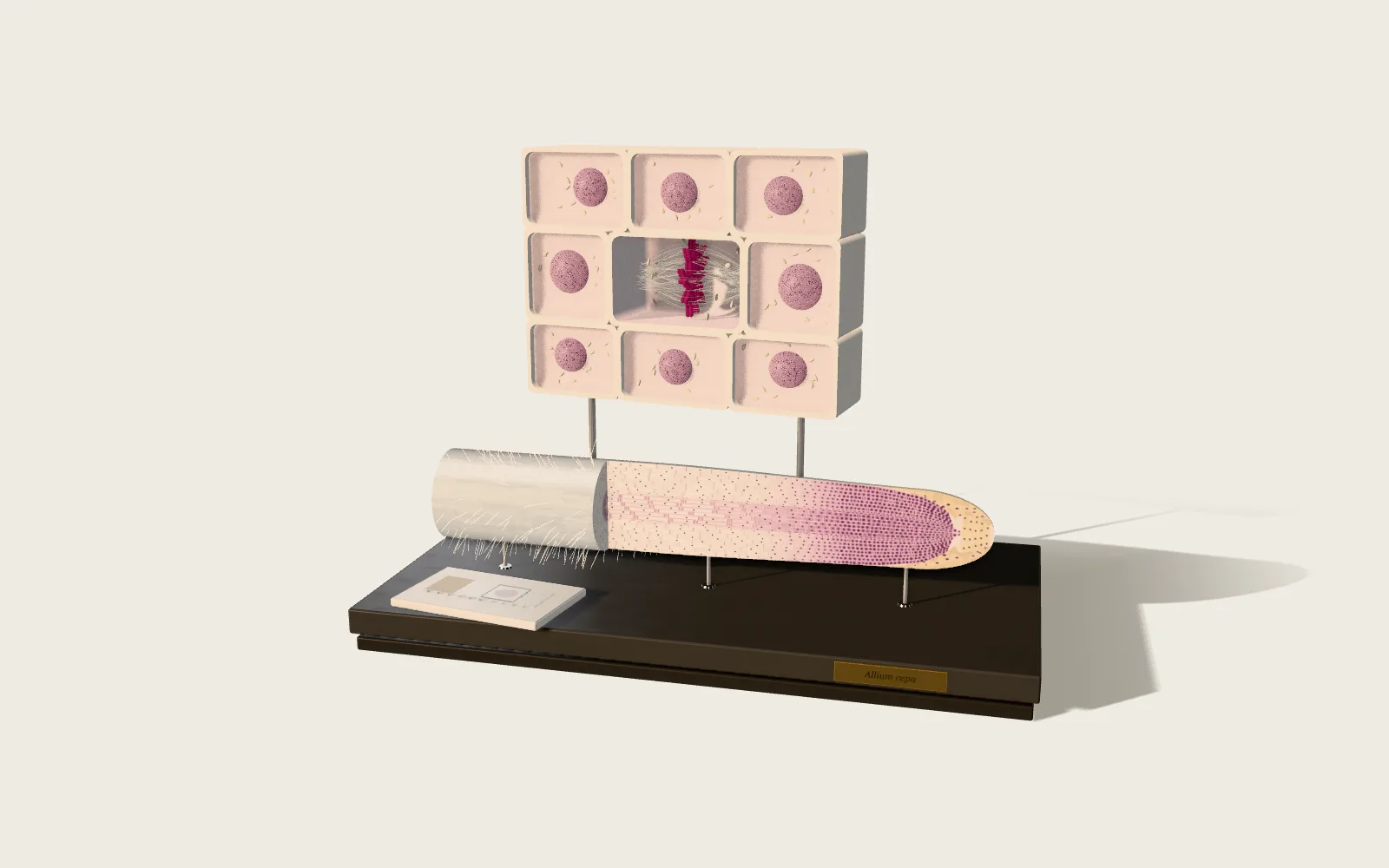
- 61Mitosis in a Root Tip
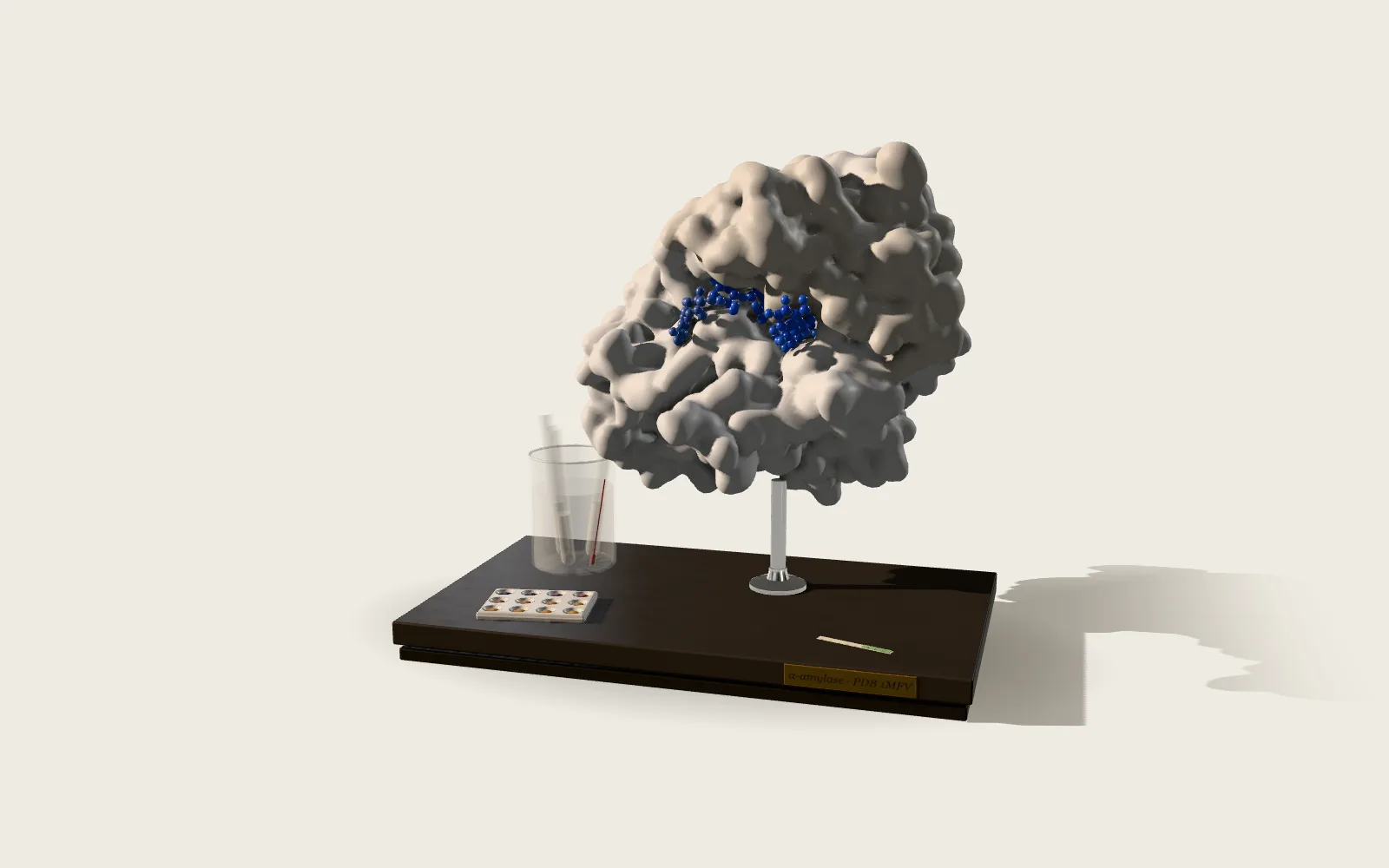
- 67Enzymes, Heat and pH
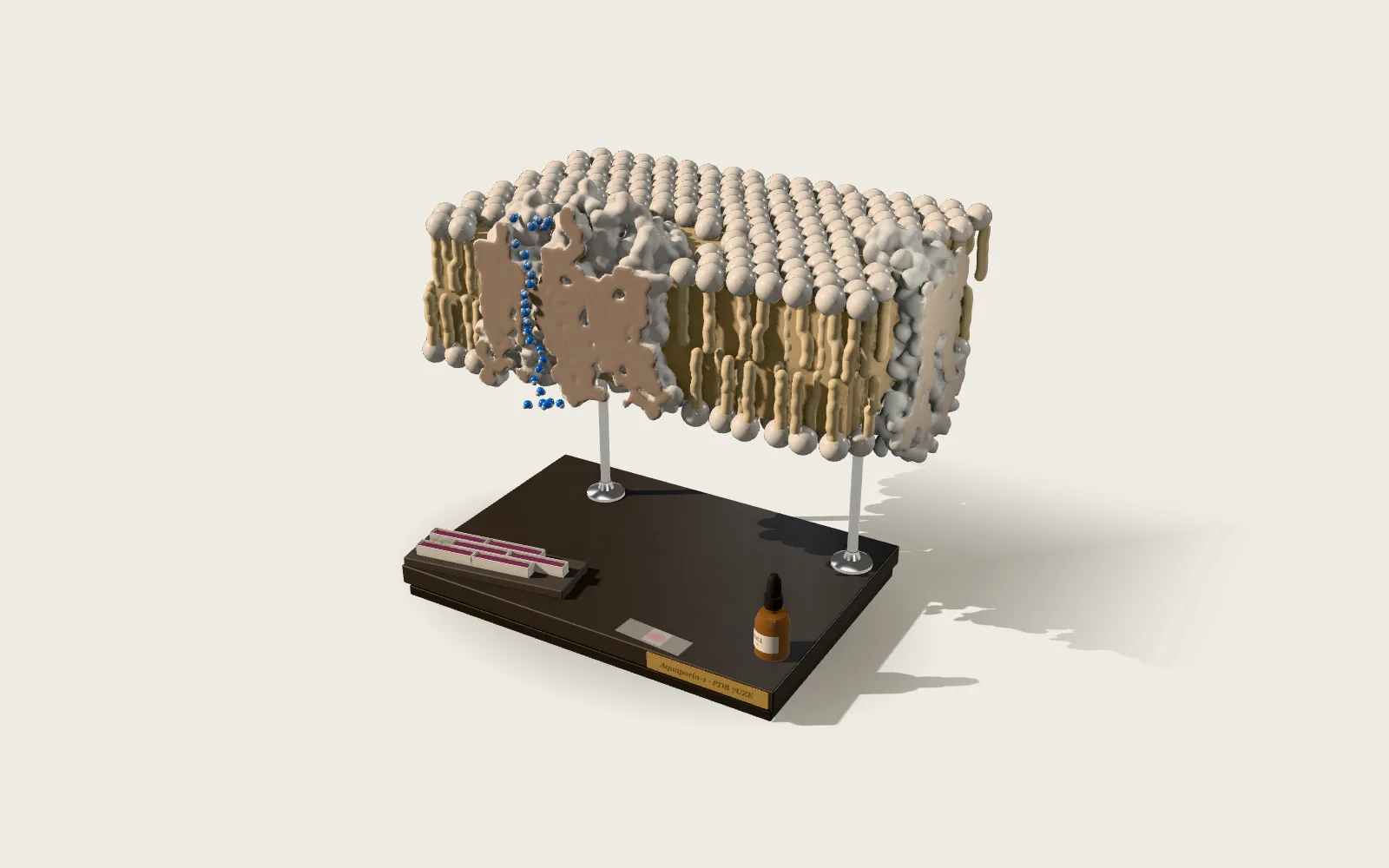
- 69Across the Cell Membrane
IIIdeas
Mathematics22
- M01Life from a Smooth Rule
- M02Counting Clacks, Finding π
- M03Any Closed Line, Drawn by Turning Circles
- M04One in Eight Random Tetrahedra Hold the Centre
- M05Why a Slanted Cut Through a Cone Is an Ellipse
- M06Half a Turn Is e to the iπ
- M07Determined, Yet Unpredictable
- M08Random Bounces Pile Up into a Bell Curve
- M09A Matrix Moves the Whole Plane
- M10A Fold That Opens in One Pull
- M11Slope and Area Undo Each Other
- M12Every Two Circles Linked
- M13Opposite Points, Same Weather
- M14One Shape, Never Repeating
- M15A Sphere Will Not Lie Flat
- M16More Than One Parallel
- M17The Fourth Direction
- M18A Line That Fills a Square
- M19How Evidence Moves Belief
- M20Every Loop Holds a Rectangle
- M21Patterns Drawn by Diffusion
- M22Life from a Table of Numbers
IIITechnology
Classic Machines15
- C01Watt’s Steam Engine
- C02The SLR Camera
- C03The Escapement
- C04The Four-Stroke Engine
- C05The Printing Press
- C06The Phonograph and the Gramophone
- C07The Typewriter
- C08The Lockstitch Sewing Machine
- C09The Enigma Cipher Machine
- C10The Difference Engine
- C11The Picture Tube
- C12The Antikythera Mechanism
- C13The Tide-Predicting Machine
- C14The Wankel Rotary Engine
- C15The Mark I Perceptron
AI35
- 43More Features Than Neurons
- 44Pictures Out of Noise
- 46Learning by Heart, Then Learning the Rule
- F13Attention in Transformers
- F18How a Neural Network Learns
- F19AlphaFold: A Protein’s Shape from Its Sequence
- F20AlphaGo: Search Plus Intuition
- F22Embeddings: The Geometry of Meaning
- F25The Mixture of Experts
- F26Tokens and Scaling Laws
- F29Learning from Human Feedback
- F31Sparse Autoencoders
- F33Speculative Decoding
- F35Reasoning Models
- F37Gaussian Splatting
- F39Designing a Protein from Scratch
- F41Video Diffusion
- F43LLM Quantization
- F44Vision-Language-Action Models
- F47Computer-Use Agents
- F49AI Weather Forecasting
- F51FlashAttention and GPU Memory
- F53The TPU and Its Systolic Array
- F55The KV Cache and PagedAttention
- F56Mamba and State Space Models
- F59Speech Neuroprosthesis
- F62AlphaEvolve: Fewer Multiplications
- F64Diffusion Language Models
- F65Tracing a Model’s Steps
- F6816,384 GPUs, One Model
- F70A Watermark in the Word Choice
- F72LoRA: Low-Rank Adaptation
- F73Rotary Position Embedding
- F75Knowledge Distillation
- F78Retrieval-Augmented Generation
Chips & Information11
- 41How a Phone Knows Where It Is
- 42Light in a Glass Thread
- 45A Code That Survives Sand
- F01EUV Lithography Machine
- F05The Dilution Refrigerator
- F14Gate-All-Around Transistor
- F17Superconducting Qubits and Error Correction
- F24The Bell Test
- F27Bose–Einstein Condensation of Atoms
- F58Quantum Error Correction, Cycle by Cycle
- F76Trapped-Ion Quantum Computers
Energy, Flight & Sensing35
- F02Five-Axis Machining Centre
- F06Tokamak Fusion Reactor
- F07Turbofan Engine
- F08The Gravitational-Wave Interferometer
- F09The Webb Space Telescope
- F10The Harmonic Drive
- F11Lidar
- F12The Phased Array
- F16Full-Flow Rocket Engine
- F21The Event Horizon Telescope
- F23The Optical Lattice Clock
- F28ATLAS and the Higgs Boson
- F30Neutrinos in Water and Ice
- F32Laser Fusion Ignition
- F34Attosecond Light Pulses
- F36The Quantum Hall Effect
- F38Muon g−2
- F40Quantum Computers of Atoms
- F42Quantum Magnetometers in Diamond
- F45Free-Electron X-ray Lasers
- F46The Stellarator
- F48Hunting Dark Matter
- F50Topological Insulators
- F52Antihydrogen
- F54Thorium-229 Nuclear Clock
- F57Muography of the Great Pyramid
- F60Coal into Gas
- F61Weighing the Neutrino
- F63The Largest Digital Camera
- F66The Neutron Lifetime Puzzle
- F67Plasma Wakefield Acceleration
- F69Measuring Dark Energy
- F71Pulsar Timing Arrays
- F74Magic-Angle Graphene
- F77Atom-Interferometer Gravimeters